
From May 1st 2026, the first major Renters' Rights Act changes will take effect.
The act is the biggest change the private rented sector has seen in decades. With this in mind, we recently asked landlords how they’re feeling about the upcoming deadline, if it’s a concern, and if so, which areas are causing the most worry.
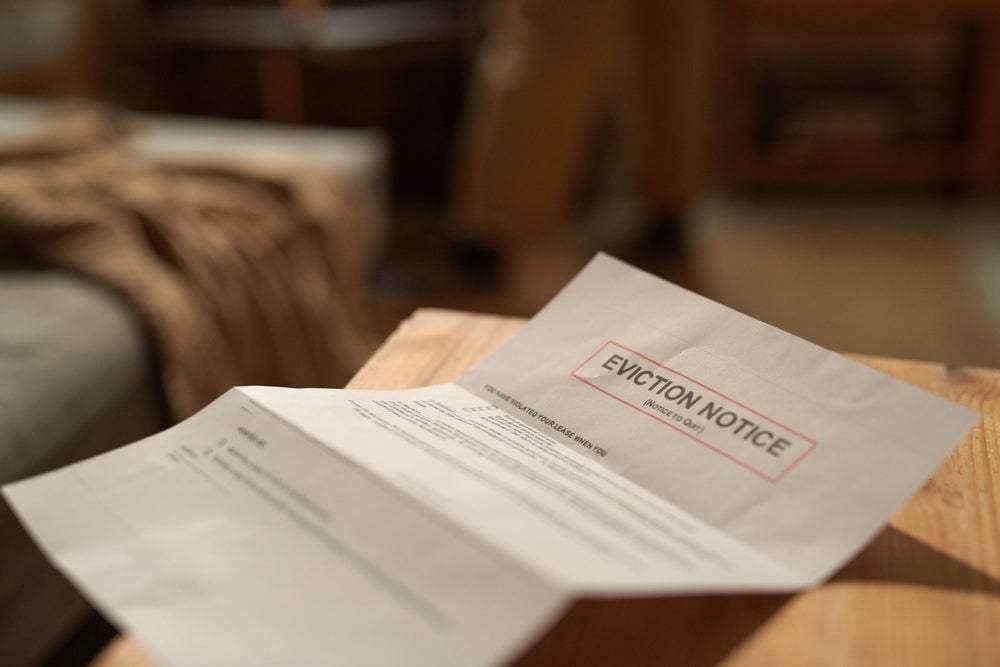
Over the next couple of months, we’ll be answering your most common questions. Having started the series with rent increases, we’re now turning our attention to the changes coming to Section 21 ‘no fault’ evictions.
As a reminder - the Renters' Rights Act applies to England and does not apply to landlords who live with a lodger.
When will Section 21 actually be abolished?
The deadline is May 1, 2026. From this date, Section 21 "no-fault" evictions are abolished for both new and existing tenancies.
What happens to Section 21 notices served before 1 May 2026?
Any valid Section 21 notice served on or before 30 April 2026 will remain legally valid after the abolition date. However, landlords must still begin court possession proceedings, either within six months of serving the notice, or by 31 July 2026, whichever comes first. There are nuances to this, depending on dates, so you should always check how this affects your specific circumstances. If court action is not started in time, the notice will expire and cannot be relied upon after Section 21 is abolished. After 1 May 2026, no new Section 21 notices can be served under any circumstances.
How will I regain possession of my property without Section 21?
You will still be able to evict tenants, but only using valid Section 8 grounds which require a specific reason (e.g. rent arrears, selling the property, moving in yourself, or breach of tenancy terms) and evidence to support possession. “No-fault” evictions will no longer be permitted.
What happens to fixed-term tenancies?
From 1 May 2026, all Assured Shorthold Tenancies (ASTs) will automatically convert into Assured Periodic Tenancies.
This means:
- Tenancies will no longer have fixed end dates
- Tenants can generally give 2 months’ notice at any time
- Landlords must rely on statutory possession grounds to end a tenancy
Can I still do fixed-term lets for students?"
Traditional fixed-term tenancies will be replaced by periodic tenancies under the new system. However, landlords of genuine student HMOs will be able to rely on Ground 4A to regain possession between 1 June and 30 September in line with the academic year.
To use Ground 4A:
- The property must qualify as an HMO
- It must be let to full-time students
- Advance notice must have been given that this ground may be used
- At least 4 months’ notice must be served
The ground cannot be used if the tenancy agreement was made more than six months before the tenancy start date. This means student landlords will still be able to manage annual turnover, but with stricter notice and documentation requirements than under the previous fixed-term system.
Can I evict a tenant if I want to sell the property?
Yes, but the rules have changed. Tenants have a 12-month protected period at the start of a tenancy during which you can't evict them to sell the property. Landlords must give at least 4 months’ notice and the notice period must not expire during the protected first 12 months of the tenancy.
How will rent increases work without Section 21?
Rent increases will be limited to once per year (not above market rate) and must follow a formal Section 13 process. Tenants can challenge the increase at a Tribunal; if they do, the new rent is paused until the Tribunal makes a decision. To find out more about rent increases read our rent increase Q&A.
What happens if my tenant refuses to leave?
If a tenant does not leave after a valid notice has been served you will then need to apply to the court for a possession order, where the landlord must demonstrate that the ground for possession is valid.
Do I need to issue new tenancy documents?
Yes. From 1 May 2026, you will need to give tenants certain written information about key terms of the tenancy. If you do not, your tenant could complain to the local council, and you could receive a fine of up to £7,000. Find out more about this here.
How can I avoid disputes or delays when repossessing a property?
- Keep detailed rent and communication records
- Document breaches thoroughly
- Serve notices using the correct grounds and forms
For further information on upcoming changes: Refer back to the Government's guide to the Renters' Rights Act.
Disclaimer - This is for general information purposes only and shouldn't be treated as legal advice. We recommend you consult an experienced solicitor if you need specific legal advice.